BACK TO HOMEPAGE >
VEC | 2021-2022
Designers: Vestel UX/UI Design Group, Vestel Electronics Corp., Manisa, Turkey
Manufacturer: Vestel Electronics Corp., Manisa, Turkey
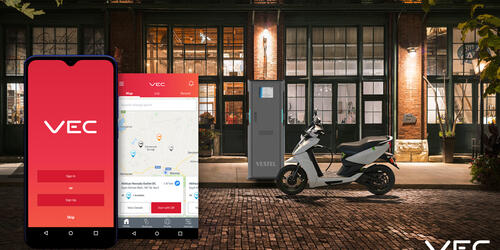
VEC is an electric vehicle charger application to track and control public electric vehicle chargers. It aims to provide a seamless experience throughout the entire charging process without any corruption covered by a secured system and service design. Theuser can see and follow the current charging status at any time with an easy to use interface to make users up to date. In this way, it helps reducing environmental pollution and carbon emissions with an easy reach to electric vehicle chargers.
Compared to similar applications, VEC's clear design increasesuser satisfaction. Its interactive and user-friendly interface creates a harmonic link between hardware and software design. It provides a higher standard experience with searching chargers, viewing chargerand sockets’details, map route, booking a charger, starting/ending charging process, following charging status, and viewing the booking details features.
VEC creates a sustainable eco system with its compatibility with public-use devices. VEC makes a big contribution to the world of Internet of Things by creating a complete smart, connected charging experience.
As an ultimate need to control and monitor the charging process rather than vehicle's cluster screen or device interface, VEC offers an advantage for users to get informed about the current status. This makes VEC's value higher at the market place. Moreover, it offers a unique and well-organized system for public usage scenarios, which has manychargers in different car parking areas, shopping malls, coffee places, etc.
Vestel UX Group do user researches and A/B testing according to appropriate user group for defining exact user needs and related project guidelines. UX Group, after creating user journey maps, combines them with suitable interfaces for create better user experiences. While designing these interfaces, user research insights, emotional impacts, usage scenarios, various design architecture systems and actual design trends are considered.